Research

Science-backed training insights for coaches who want to get it right

Sport
Coaching World

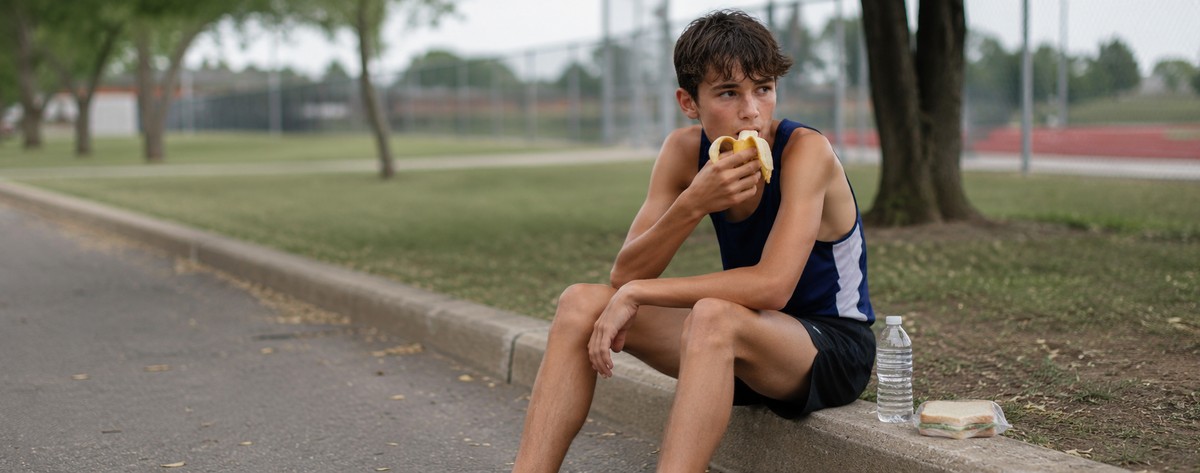
A high-school cross-country runner sitting on a curb after practice, unpacking a simple snack from a backpack — a banana and a sandwich — in unglamorous everyday light.
running

Fueling the High-School Runner: The Numbers Everyone Argues About Are the Small Ones

The internet fights over protein grams and pre-run snacks. For a growing high-school runner, the bigger lever is simpler: eat enough.

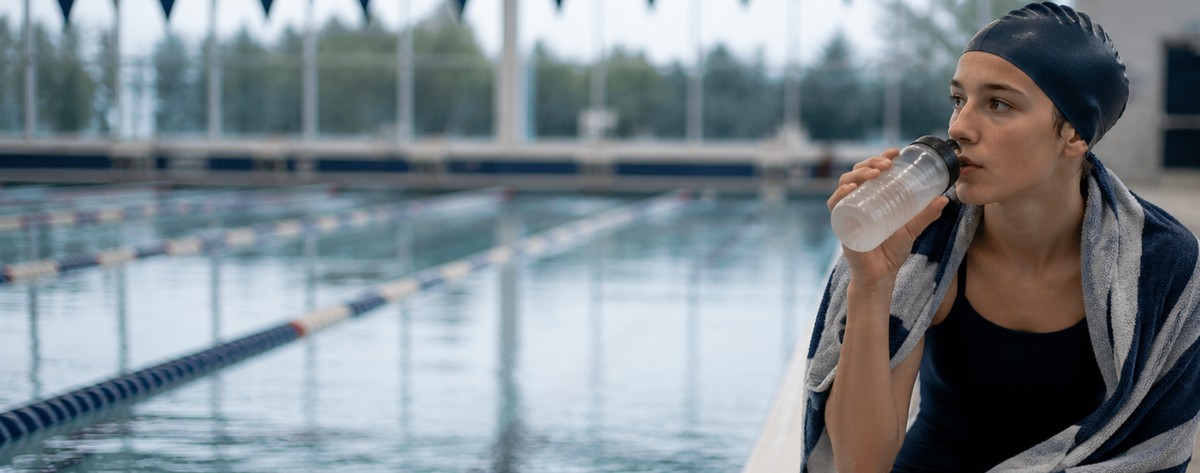
A high-school swimmer sitting on the pool deck at dawn wrapped in a towel, eating a banana and drinking from a water bottle before an early-morning practice.
swimming

Fueling the High-School Swimmer: When More Yardage Is the Wrong Answer

Swimmers are told they burn enormous amounts — and that they quietly under-eat. Both can be true. The fix is the same: fuel the training you actually do.

Four runners seen from behind, jogging easy on an open road at dawn, relaxed and unhurried, with the sky glowing on the horizon.
running triathlon

Is Easy Running Overrated? What the 4×4 and the Lactate Shuttle Actually Say

Two classic studies get used to argue easy miles are wasted. Read correctly, both argue for the aerobic base — if your easy days are actually easy.

A lone runner on an open road at dusk, viewed from behind, the road stretching far ahead.
running triathlon

How Much Running Is Too Much? The Answer May Be a Single Run

The largest running-injury study ever run says the dangerous load isn't your weekly mileage — it's one session that's far longer than anything recent.

A runner performing a single-leg isometric calf raise hold against a wall, viewed from the side in a gym.
running triathlon strength

Isometric Strength for Runners: Buying Economy Without the Pounding

Strength work reliably makes runners more economical. Isometric holds are a low-fatigue way to get there — here's what the evidence does and doesn't say.

A high school cross-country runner alone on a wooded autumn trail, mid-stride, looking fatigued.
running

RED-S: The Underfueling Syndrome on Your Roster — and Why It Hides in Boys Too

RED-S is common, under-recognized, and shows up differently in male and female athletes. What coaches need to know.

An open-water swimmer in a green cap and goggles mid-freestyle stroke, arm recovering above the water with a sports watch, photographed at water level
swimming triathlon

Teaching the Adult-Onset Swimmer: The First Two Months in the Water

For a runner or cyclist entering triathlon, fitness is the trap, not the solution. How to coach the first two months of freestyle.